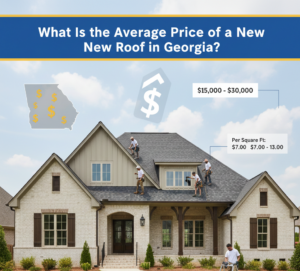
Find out the most expensive parts of a new roof in 2026. The average price for a standard asphalt shingle roof installation in Georgia in 2026 is about $9,600. The average roof cost for a replacement in Georgia typically falls between $8,000 and $20,000; however, Georgia roof installation costs can range from $5,000 to $30,000 depending on materials and complexity. Georgia’s roofing costs are generally higher than in most surrounding states due to its economy and labor market. We break down the costs of labor, both the materials, and hidden structural repairs, as well as the complexity of your roof, to help you budget for your Georgia home, and understanding the new roof cost and average price helps homeowners plan effectively.
Introduction
When you receive a quote for a new roof, the final number can be a shock. In 2026, the average cost for a roof replacement in Georgia ranges from $9,500 to over $28,000. The average roof size in Georgia is around 2,000 square feet, and the roof’s square footage is a key factor in determining the total cost, as larger roofs require more materials and labor. Roof replacement costs in Georgia scale with square footage due to increased material requirements and longer installation times. The key factors influencing the cost of a roof in Georgia include material, size, pitch, and labor costs.
If you are looking at that estimate and wondering where all that money is going, you aren’t alone.
A roof isn’t just a pile of shingles; it’s a complex structural system. Understanding which components command the highest price tags can help you make smarter decisions about materials and timing. The cost of a roof is roof replacement based on these key factors, especially the roof’s square footage. Here is the definitive breakdown of the most expensive parts of a new roof.
Roof Size and Shape: The Foundation of Your Cost Estimate
Your roof’s size and shape drive your replacement budget. Period. Bigger roof means more materials, more labor, higher costs. Roof size gets measured in square feet. Cost per square foot varies by material choice. Asphalt shingles remain the most affordable option for Georgia homeowners—$3 to $5 per square foot installed. Want metal roofing for durability and energy efficiency? Expect $7 to $15 per square foot.
Roof shape matters just as much as size. Complex roofs cost more. Multiple valleys, dormers, intricate features require specialized installation techniques. More time. More materials. Higher labor costs. Steep roofs—common across Marietta, Roswell, and Alpharetta—demand additional safety equipment. Installation slows down. Labor costs jump 25% or more on steep roofs. Factor this into your budget from day one.
Get a professional assessment. No shortcuts here. A reputable Georgia roofing contractor evaluates your roof’s size and shape properly. They provide detailed cost breakdowns—materials, labor, permits, inspections. You understand exactly what drives your costs. You plan your budget with confidence.
Average Georgia roof spans 2,000 square feet. Total replacement costs range $8,000 to $20,000—depends on materials and job complexity. Consider your existing roof’s size and shape. Factor in material choices. You’ll get accurate estimates and avoid project surprises. Old roof or new installation, work with experienced local contractors. They deliver comprehensive, transparent estimates reflecting all key factors affecting your Georgia roof replacement.
1. Labor Costs: The “Silent” Major Expense
In 2026, labor has surpassed materials as the primary cost driver for many roofing projects. Due to a national shortage of skilled tradespeople and rising insurance premiums for contractors, labor now typically accounts for 40% to 60% of your total roof replacement cost in Georgia.
- The Hourly Reality: Professional roofers in the Georgia market typically charge between $40 and $90 per hour per worker.
- Why It’s So Expensive: You aren’t just paying for “muscles.” You are paying for specialized expertise, safety equipment (harnesses and scaffolding), and the massive liability insurance required to protect your home while workers are on your roof. For roofs with steep slopes or complex designs, specialized labor can cost $4.00 or more per square foot, which means higher labor costs for these projects.
2. The Roofing Material Itself
When estimating roof replacement costs, different roofing materials are a key variable that can significantly affect your total investment.
| Material Tier | Cost Per Sq. Ft. (Installed) | Total for 2,000 Sq. Ft. House |
|---|---|---|
| Architectural Shingles | $5.50 – $9.00 | $12,500 – $20,500 |
| Metal (Standing Seam) | $10.00 – $18.00 | $24,000 – $45,000 |
| Tile Roofs (Clay or Concrete Tile) | $12.00 – $25.00 | $30,000 – $60,000+ |
| Natural Slate | $25.00 – $70.00+ | $50,000 – $140,000+ |
The average price for asphalt roofing in Georgia is $3 to $5 per square foot, while premium roofs can reach $30,000 or more. Asphalt shingles are the most popular roofing material in Georgia, used in about 75% of homes. Asphalt shingle roofs are a cost-effective and popular option for Georgia homeowners, offering good durability and suitability for the region’s climate.
Material costs are a major component of the total roof replacement cost. When considering the cost of a roof, it’s important to assess the existing roofing material before installation, as it can impact both the process and the expense of replacing the entire roof. Material choices for roofing include budget-friendly asphalt shingles and premium slate tiles, significantly impacting overall costs. Choosing higher-quality, more durable roofing materials will result in a higher cost, but these options can provide benefits such as a longer lifespan and better wind resistance. Architectural shingles, metal, and tile roofs are among the most popular roofing materials in Georgia due to their durability, performance, and suitability for the region’s climate. The lifespan of asphalt shingles in Georgia is typically 15 to 22 years, which is shorter than the national average due to the climate. Quality underlayment and flashing increase material costs but are crucial for roofing longevity. Tile roofs, such as clay or concrete, are especially valued for their longevity, durability, and resistance to wind and rain, making them a popular choice for homeowners seeking both aesthetic appeal and long-term performance.
Pro Tip: In Georgia, most homeowners find the best “value” in Architectural Shingles. They offer a premium look and high wind resistance without the extreme price tag of slate or copper.
3. Roof Complexity and Pitch
If your roof has a “simple” design (two flat slopes), it will be significantly cheaper than a complex one. The more “features” your roof has, the more you will pay in labor and waste. Roof shapes, such as gable, cross gables, dutch, and salt-box, and the overall roof type also influence the overall cost. Roof pitch is a key factor influencing roof replacement costs in Georgia, as it affects material choices, safety measures, and labor requirements. Roof replacement costs in Georgia can vary based on the complexity of the roof’s design.
- Steep Pitch: If a roof is too steep to walk on comfortably, crews must use specialized safety gear and move much slower. Roof replacement based on a steep roof pitch will result in higher costs due to increased labor and safety requirements. Steep roofs can increase installation costs by 25% or more in Georgia, and a steep pitch can add $1,000 to $3,000 to a standard quote.
- Architecture: Dormers, chimneys, skylights, and multiple valleys require intricate “flashing” (metal waterproofing). Each one of these features adds hours of high-skill labor.
4. The “Hidden” Costs: Roof Decking and Structural Repairs
The most stressful part of a roofing project is the unexpected structural repair. Roof removal is a necessary step before inspecting the decking, as you won’t know the condition of your “decking” (the plywood boards under your shingles) until the old roof is torn off. The type of existing roofing material can significantly impact removal costs and may affect how thoroughly the underlying roof structure can be inspected or repaired. Removing old roofing can cost between $1 to $5 per square foot, depending on the material.
- Wood Rot: Georgia’s humidity often leads to rotted decking. In 2026, replacing a single sheet of rotted plywood costs between $75 and $100.
- Structural Framing: If water has reached your rafters, you may face structural repairs that can add thousands of dollars to the project. Inspecting and replacing damaged flashing and pipe boots is also crucial to prevent roof leaks and maintain a watertight roof.
5. Disposal and Waste Removal
Tearing off a 2,000-square-foot roof generates several tons of heavy debris.
- Tear-Off Labor: Expect to pay $1.00 to $3.00 per square foot just for the removal of old materials. Removal costs are often calculated per ‘roofing square’, with one roofing square equaling 100 square feet of roof surface.
- Dumpster & Hauling: Dumpster rentals and landfill fees have increased, often adding $500 to $1,500 to the total bill.
The Roof Installation Process: What Homeowners Should Expect
Planning a roof replacement in Georgia? The installation process drives your timeline and costs. When considering a Georgia roof replacement, it’s important to understand the unique factors that influence cost and decision-making in the state. Labor makes up 60% of your total roof cost. Most Georgia homeowners pay $8,000 to $20,000 for a new roof. A typical 2,000-square-foot architectural shingle roof runs about $12,000.
First step: removing your existing roof. This matters. It lets contractors inspect what’s underneath and gives you a solid foundation. Removal costs vary by material. Asphalt shingles cost $0.40 to $2.00 per square foot to remove—the most affordable option. Metal roofing removal runs $1.00 to $3.00 per square foot. Damaged roofs or multiple layers mean more labor and higher costs.
Next, we inspect the roof decking. That’s the plywood or boards supporting your roofing materials. Rot or damage means repairs or replacement before your new roof goes on. In Georgia, decking work typically costs $500 to $1,000. This depends on your roof’s square footage and damage extent. Fix these issues now. Skip this step and you’ll face leaks and structural problems later.
Now comes your roofing material installation. Your choice—asphalt shingles, metal roofing, architectural shingles, slate roofs, or clay tiles—drives your total replacement cost. Asphalt shingles stay the most affordable at $3 to $5 per square foot. Metal roofing lasts longer but costs more: $7 to $15 per square foot. Metal roofing is gaining popularity in Georgia due to its superior performance in high winds and longevity. Architectural shingles offer the sweet spot for Georgia homeowners. They balance durability and curb appeal at $4 to $10 per square foot. Want premium? Slate roofs run $12 to $25 per square foot. Clay tiles cost $10 to $20 per square foot. Clay tiles perform well in Georgia’s climate, offering superior wind resistance and thermal performance.
Installation takes anywhere from a few days to several weeks. Roof size, complexity, and weather conditions matter. Complex roofs with steep pitches, multiple valleys, or unique shapes mean higher labor costs and longer times. You’ll see a team of professional contractors on your property. They use specialized techniques to meet local building codes and handle Georgia’s weather conditions, which impact material choice and installation. Georgia’s weather conditions require specific materials and installation methods to ensure your new roof is durable and long-lasting.
Work with a reputable roofing company that knows Georgia requirements. Local contractors understand our building codes, permit requirements (add $100 to $600 to your total cost), and the best materials for Georgia’s hot, humid climate. Georgia’s hot weather can accelerate wear and tear on roofing materials, so it should be a key consideration when selecting your roofing material. Georgia’s hot and humid climate can accelerate the degradation of roofing materials, especially asphalt shingles, and the lifespan of a roof in Georgia is generally shorter than the national average. Professional installation ensures your roof’s longevity. It also boosts your home’s energy efficiency and curb appeal.
Material lifespans vary. Asphalt shingles typically last 15 to 20 years, while architectural shingles can last up to 30 years. Metal roofing can last 35 to 50 years in Georgia if installed correctly, making it a durable option.
Get accurate estimates from at least three local contractors. Make sure each quote breaks down cost per square foot for materials and labor. Include additional fees for permits, inspections, and unexpected repairs. Understanding the full process and cost factors helps you make smart decisions that fit your needs and budget. Home equity loans are a popular financing option for roof replacement in Georgia. Insurance claims may cover roof replacement costs if the damage is due to a weather-related event. Personal loans can also be used to finance roof replacements, but terms vary by lender.
The roof installation process drives successful roof replacement in Georgia. Choose the right materials. Work with experienced local contractors. Plan for every installation stage. This ensures a smooth, successful, and cost-effective replacement that protects your home for years to come. It is advisable to have a professional roof inspection every 3 to 5 years to catch potential issues early.
New Roof Benefits: Why the Investment Pays Off
A new roof delivers immediate returns for Georgia homeowners. Fresh roofing materials transform your home’s appearance overnight. Potential buyers notice quality roofing first. Your property value jumps accordingly. Smart sellers know this advantage sets their home apart in competitive Georgia markets.
Modern roofing stops Georgia weather in its tracks. No more wondering about the next thunderstorm. Professional installation eliminates weak spots that cause leaks. Wood rot gets addressed during replacement—not after it spreads. You prevent expensive damage instead of paying for it later. Your family stays dry and secure.
Today’s roofing materials work harder in Georgia heat. Metal roofing reflects summer sun instead of absorbing it. Architectural shingles provide superior insulation compared to old materials. Your AC runs less. Energy bills drop noticeably during brutal Georgia summers. Asphalt shingles remain the budget-friendly choice most homeowners choose. Metal and tile cost more upfront but last decades longer.
Smart Georgia homeowners plan their roofing investment carefully. Square footage drives your base cost. Installation complexity affects labor pricing. Material choice determines your long-term value. Local contractors provide accurate estimates based on your specific roof. Get multiple quotes. Compare materials honestly. Choose quality over cheap shortcuts.
A quality roof protects everything underneath it. Your family stays safe and comfortable. Energy costs stay manageable. Curb appeal stays strong for years. Work with experienced Georgia contractors who know local conditions. Invest in materials that match your budget and goals. Quality roofing pays dividends long after installation day.
Summary: How to Manage Roof Replacement Costs
If you want to reduce the “most expensive” parts of your roof:
- Don’t Wait for a Leak: Waiting until wood rot sets in guarantees a higher bill for structural repairs.
- Choose the Right Material: If you aren’t in your “forever home,” premium slate or copper likely won’t provide the ROI you need. Opting for simpler designs or more affordable materials can help you achieve lower costs.
- Audit Your Quote: Ensure your contractor has included building permits and insurance; permits for roof replacement in Georgia typically cost between $150 and $500. Skipping these can lead to massive fines or liability later.
The cost to replace a roof can vary depending on factors like material, size, pitch, and complexity. Roof replacement based on these factors—such as total square footage, material choice, and roof pitch—will significantly impact your total cost. To get a rough estimate, contact at least three local roofing contractors and request a detailed roof replacement estimate from each. Comparing multiple quotes helps you understand the full scope of costs and ensures you get the best value.
Tip: If your roof damage is due to a weather-related event, insurance claims may cover roof replacement costs. Always check with your insurance provider to see if you qualify.
Would you like a more detailed look at how to finance these costs or a checklist of questions to ask your contractor about their labor rates?