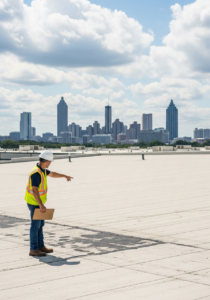
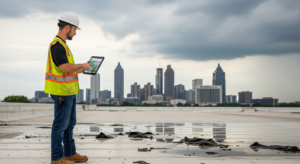
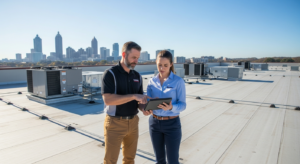
Storm Damage Roof Inspections for Atlanta Property Managers

When severe weather rolls through Metro Atlanta, property managers face a critical decision window. A storm damage roof inspection for property managers Atlanta isn’t just about identifying leaks—it’s a portfolio protection strategy that can mean the difference between a covered insurance claim and a denied one. Every hour that passes after a storm increases your exposure to secondary damage, tenant complaints, and documentation gaps that adjusters will use against you.
Managing multiple commercial buildings, apartment complexes, or HOA communities means you’re responsible for dozens—sometimes hundreds—of roofing systems simultaneously. You don’t have time to climb every roof yourself, and you shouldn’t. What you need is a systematic inspection protocol that protects your assets, satisfies ownership groups, and provides the documentation required to maximize insurance recoveries. Pro Roofing & Siding has conducted thousands of commercial roof inspections across Cobb, Cherokee, and Gwinnett Counties, and we understand what property managers need: fast response, thorough documentation, and clear communication at every step.
Why Property Managers Need Immediate Post-Storm Roof Inspections in Atlanta

Storm damage doesn’t wait for your schedule. A small membrane puncture from hail becomes a saturated insulation layer within 48 hours. That saturated insulation leads to interior water stains, mold growth, and tenant complaints within a week. What started as a $2,000 repair becomes a $40,000 capital expense—and potentially a habitability lawsuit—because nobody inspected the roof when it mattered.
As a property manager, you bear fiduciary responsibility to protect building assets. Ownership groups and HOA boards expect proactive maintenance, not reactive crisis management. When you can document that you scheduled a professional inspection within 72 hours of a storm, you demonstrate due diligence that protects both the property and your management contract. This documentation becomes invaluable during insurance negotiations and owner reporting meetings.
Georgia insurance policies typically require documented damage claims within specific timeframes—often 12 to 24 months for commercial properties, but with supplemental damage claims requiring much faster reporting. Missing these windows means paying out of pocket for repairs that should have been covered. Our storm damage restoration team has seen property managers lose tens of thousands of dollars simply because they waited too long to document damage.
The math is simple: a professional commercial roof inspection costs nothing when we handle it as part of your insurance claim process. A missed inspection costs whatever your deductible is—plus the full repair bill when your claim gets denied for lack of documentation. Property managers who understand this equation schedule inspections immediately after significant weather events, protecting both their properties and their professional reputations.
Beyond the immediate financial implications, timely storm damage roof inspection for property managers Atlanta protects your relationship with tenants. Commercial tenants expect their landlords to maintain weathertight buildings. When leaks develop because damage went uninspected, you face not only repair costs but potential lease disputes and tenant turnover. Residential tenants in apartment complexes may withhold rent or pursue habitability claims if water intrusion damages their belongings or creates health hazards.
Storm Damage Roof Inspection for Property Managers Atlanta: What a Complete Assessment Covers

Commercial roof inspections require different expertise than residential assessments. Your buildings likely have flat or low-slope roofing systems—TPO, EPDM, or modified bitumen—that show damage differently than shingled roofs. Our inspectors are trained to evaluate membrane integrity, seam adhesion, and flashing conditions specific to these commercial systems. Understanding these differences is essential for accurate property management roof damage assessment.
A thorough commercial roof inspection Atlanta property managers can rely on includes:
- Membrane assessment — Checking for punctures, tears, blistering, and seam separation across the entire roof field, including areas around drains and penetrations where stress concentrates
- Flashing inspection — Examining all penetrations, curbs, edges, and wall terminations for wind uplift or impact damage that could allow water infiltration
- Drainage evaluation — Verifying that drains, scuppers, and gutters are clear and functional after debris accumulation, and checking for any slope changes affecting drainage patterns
- Photo documentation — Capturing timestamped evidence of all damage with measurement references for insurance adjusters, organized by building section for easy reference
- Infrared moisture scanning — Detecting water intrusion beneath the membrane that isn’t visible during surface inspection, identifying compromised insulation before it causes interior damage
- Rooftop equipment inspection — Evaluating HVAC units, exhaust fans, satellite equipment, and their mounting systems for storm-related damage or displacement
This documentation becomes your evidence package. When an adjuster questions whether damage occurred during the claimed storm, you’ll have dated photos showing hail impact patterns, wind-lifted sections, and debris punctures consistent with the weather event. Our commercial roofing services team creates inspection reports specifically formatted for insurance submission, including executive summaries for owner communication.
Each inspection report includes a severity rating for identified damage, helping you prioritize repairs across multiple properties. We categorize findings as emergency repairs requiring immediate attention, urgent repairs needed within 30 days, and preventative maintenance items that can be scheduled during routine maintenance cycles. This tiered approach helps property managers allocate resources effectively and communicate clearly with ownership groups.
For property managers overseeing diverse portfolios, our storm damage roof inspection for property managers Atlanta service adapts to various building types. Whether you manage retail centers with extensive parapet walls, office buildings with complex HVAC penetrations, or industrial facilities with large uninterrupted membrane fields, our inspection protocols address the specific vulnerabilities of each structure type.
Navigating the Commercial Roof Insurance Claim Process in Atlanta
Filing a commercial roof insurance claim Atlanta property managers can actually collect on requires more than calling your agent and hoping for the best. Adjusters handling commercial claims are experienced professionals who know every reason to reduce or deny payments. Your documentation needs to be airtight, and your contractor needs to understand the nuances of commercial property insurance.
Here’s how the process works when you partner with a contractor who understands commercial claims:
| Phase | Timeline | Your Role | Our Role |
|---|---|---|---|
| Initial Inspection | 24-72 hours post-storm | Schedule inspection | Document all damage with photos and measurements |
| Claim Filing | Within 1 week | Submit claim to carrier | Provide inspection report and damage assessment |
| Adjuster Meeting | 1-3 weeks | Grant property access | Meet adjuster on-site to review findings together |
| Scope Agreement | 2-4 weeks | Review and approve | Negotiate scope with adjuster if needed |
| Repair Completion | Per agreement | Coordinate tenant access | Execute repairs per approved scope |
Common reasons commercial claims get denied include insufficient documentation, delayed reporting, pre-existing condition disputes, and maintenance-versus-storm-damage arguments. Our roof insurance claim assistance process addresses each of these vulnerabilities before they become problems. We’ve successfully negotiated hundreds of commercial claims in Metro Atlanta and understand how to present damage evidence convincingly.
When adjusters attempt to classify storm damage as maintenance issues, we provide comparative documentation showing the specific characteristics of storm damage versus normal wear. Hail impacts create distinct patterns on commercial membranes that trained inspectors can differentiate from age-related deterioration. Wind damage to flashing and edge details shows stress patterns inconsistent with gradual failure. Having a knowledgeable contractor at the adjuster meeting often makes the difference between full approval and partial denial.
Understanding the insurance claim timeline helps property managers set realistic expectations with ownership groups. While some straightforward claims resolve within 30 days, complex commercial claims involving multiple buildings or disputed damage assessments may take 60 to 90 days for full resolution. Throughout this process, our team provides regular updates so you can keep stakeholders informed and plan repair scheduling accordingly.
Hidden Storm Damage Indicators Property Managers Often Miss

Some storm damage announces itself immediately—water pouring through a ceiling tile leaves no ambiguity. But the damage that costs property managers the most money is the damage that develops silently over days and weeks after a storm. Professional storm damage roof inspection for property managers Atlanta identifies these hidden issues before they escalate.
Membrane blistering and seam separation often doesn’t appear until the roof goes through a heat cycle. A storm on Monday might not show membrane failure until Thursday’s afternoon sun heats the roof to 150°F. By then, many property managers have already moved on to other priorities. Our inspectors understand these delayed manifestations and schedule follow-up assessments when initial inspections occur immediately after cooler storm events.
HVAC curb damage is routinely overlooked during property management roof damage assessment. Rooftop units sit on curbs with their own flashing systems, and hail or wind damage to these curbs allows water to enter around equipment penetrations. Your first indication might be an HVAC failure weeks later—and by then, the connection to the original storm is harder to prove. We inspect every rooftop unit penetration as part of our standard commercial inspection protocol.
Gutter and downspout damage affects more than just the roof. When commercial gutters get dented or knocked out of alignment, water overshoots during heavy rain and pools near foundations or in parking areas. We’ve seen property managers face expensive concrete repairs because nobody checked the gutters after a storm. Commercial gutter systems often connect to underground drainage that can be compromised by debris accumulation.
Ponding water changes indicate compromised roof slope. If you notice water sitting in areas that previously drained within 48 hours, something has shifted—often due to wind stress on the roof structure. This subtle change leads to accelerated membrane deterioration and eventual leaks. Our infrared scanning technology identifies moisture accumulation beneath the surface, revealing damage that visual inspection alone would miss.
Parapet cap and coping damage frequently goes unnoticed because it’s not visible from ground level. High winds can lift metal coping caps, break mortar joints in masonry parapets, and create entry points for water that travels down inside wall cavities. By the time water stains appear on interior walls, significant hidden damage has already occurred.
Skylight and roof hatch damage presents another commonly overlooked vulnerability. Commercial skylights and access hatches have their own sealing systems that can be compromised by hail impact or wind-driven debris. Cracks in skylight domes may not cause immediate leaks but will fail during the next heavy rain. Our inspections include detailed examination of all roof-mounted accessories and their attachment points.
Apartment Complex Roof Inspection Protocols for Multifamily Properties
A multifamily storm damage inspection GA property managers can trust requires coordination that goes beyond typical commercial jobs. You’re dealing with occupied units, tenant notification requirements, and buildings that may span different construction eras with different roofing systems. Apartment complex roof inspection demands a systematic approach that addresses these unique challenges.
Coordinating inspections across multiple buildings efficiently means scheduling strategically. We can typically inspect three to five buildings in a single site visit, depending on size and access requirements. For larger portfolios, we develop a prioritized schedule based on building age, roof condition history, and reported issues. This consolidated approach reduces your coordination burden while ensuring thorough coverage.
Tenant communication is your responsibility, but we can help you plan. We provide estimated inspection timeframes so you can notify tenants of any roof access that might affect them. During repair phases, we work with your team to minimize disruption—scheduling noisy work during business hours and avoiding weekends when possible. For apartment complexes, we coordinate unit access for interior inspections when ceiling stains or water damage indicates potential roof involvement.
Prioritizing repairs by urgency helps you allocate limited maintenance budgets effectively. Active leaks affecting occupied units take precedence over preventative repairs on unoccupied sections. We provide repair recommendations in priority tiers so you and your ownership group can make informed decisions. Emergency items receive immediate quotes, while lower-priority items can be bundled for efficient scheduling.
Our apartment complex roof inspection reports are formatted for board presentations and owner updates. When your HOA or ownership group asks what’s happening with storm damage claims, you’ll have professional documentation ready. Reports include photo summaries, damage maps showing affected areas, cost estimates by building, and recommended timelines for repairs.
For properties with multiple building types—such as mixed-use developments combining residential and commercial spaces—we tailor inspection protocols to each structure’s requirements. Retail buildings with customer-facing interiors need different urgency assessments than residential units where temporary containment measures may suffice during the claims process.
Storm damage roof inspection for property managers Atlanta serving multifamily communities requires understanding the unique liability concerns these properties present. When multiple tenants are affected by roof leaks, the potential for complaints, rent disputes, and legal action multiplies. Our rapid response and thorough documentation help property managers demonstrate they took appropriate action to protect tenant interests while pursuing insurance recovery.
Choosing a Qualified Commercial Roof Inspector in Metro Atlanta
Not every roofing contractor has the expertise to inspect commercial roofing systems properly. Residential roofers who occasionally take commercial jobs may miss damage patterns specific to flat and low-slope roofs. When you need a storm damage roof inspection for property managers Atlanta can trust, verification matters. Here’s what to verify before scheduling your inspection:
Certifications that matter: GAF Master Elite certification indicates advanced training in commercial roofing systems. Manufacturer-specific training for TPO, EPDM, and modified bitumen ensures the inspector understands how each material shows damage. Pro Roofing & Siding maintains these certifications and conducts ongoing training for our inspection teams. We also maintain OSHA safety certifications required for commercial roof access.
Property management experience: Ask whether the contractor has worked with other property managers and understands your reporting requirements. You need inspection reports formatted for insurance submission and owner communication—not handwritten notes that create more work for your team. Contractors experienced with property management companies understand the chain of communication and documentation standards you operate within.
Local storm pattern knowledge: Metro Atlanta experiences specific storm types that affect commercial roofs predictably. Hail corridors through Cobb County, wind patterns in Cherokee County, and severe thunderstorm frequency in Gwinnett County all influence inspection priorities. A contractor with deep local experience knows where to look first and understands the regional adjusters who handle claims in these areas.
References from peers: The best verification is hearing from other property managers who’ve worked with the contractor. Ask for references from multifamily or commercial property management companies in your area. We encourage prospective clients to contact our existing property management partners—their feedback reflects our commitment to this specialized market segment.
Insurance claim track record: Beyond technical inspection skills, your contractor needs experience navigating commercial insurance claims. Ask about claim approval rates, average time from inspection to payment, and experience handling disputed claims. Contractors who frequently work with commercial adjusters understand what documentation strengthens claims and what shortcuts lead to denials.
Red Flags When Selecting a Commercial Roof Inspector
Avoid contractors who pressure you to sign repair contracts before inspections are complete. Professional inspectors provide documentation and recommendations—the decision to proceed with repairs should follow your review of findings and insurance approval. Be cautious of contractors unfamiliar with commercial roofing systems, those who can’t provide property management references, or those who quote repairs without thorough inspection.
Watch for inspectors who rush through assessments or skip key areas like rooftop equipment penetrations and drainage systems. A thorough commercial roof inspection takes time—if someone offers to inspect your entire portfolio in an afternoon without adequate crew support, they’re cutting corners that will cost you during the claims process. Quality storm damage roof inspection for property managers Atlanta requires methodical evaluation of every vulnerable roof component.
Be wary of contractors who guarantee claim approval or promise specific insurance payout amounts before inspections occur. No legitimate contractor can predict insurance outcomes with certainty. Professionals explain the process, document damage thoroughly, and advocate for fair claim resolution—but they don’t make promises they cannot control.
Next Steps After Your Storm Damage Inspection
When your inspection report arrives, you’ll have a clear picture of your roof’s condition and repair needs. Understanding how to act on that information protects your properties and your budget. The storm damage roof inspection for property managers Atlanta process doesn’t end with the inspection—it’s the foundation for informed decision-making.
Prioritize by urgency. Active leaks and membrane breaches need immediate attention. Damaged flashing and seam issues can often wait for insurance approval before repair. Cosmetic damage like dented metal caps might be deferred if budgets are tight. Our reports categorize all findings by urgency, giving you clear guidance for resource allocation.
Temporary repairs versus full replacement is a budget decision, but it’s also a strategic one. If your roof is within five years of expected replacement, documenting storm damage now might justify a full replacement claim rather than repeated repairs. We help property managers evaluate these options honestly, providing lifecycle cost analyses that support informed decisions.
Communicating with ownership requires professional documentation that demonstrates your proactive management. Our inspection reports include executive summaries suitable for owner distribution, detailed findings for your maintenance records, and insurance-ready documentation for claims filing. This comprehensive approach supports your role as property manager while protecting owner interests.
Tracking multiple properties through the claims process requires organization. We provide portfolio-level summaries for property managers overseeing multiple buildings, tracking inspection status, claim progress, and repair scheduling across your entire portfolio. This consolidated view helps you manage complex situations efficiently.
Pro Roofing & Siding supports property managers from initial inspection through final insurance payment. We don’t just inspect and disappear—we attend adjuster meetings, negotiate scope disagreements, and ensure your claim receives full consideration. Our storm damage restoration program was built specifically for commercial clients who need more than basic repair services.
Why Choose Pro Roofing & Siding for Your Commercial Roof Inspection?
Property managers across Metro Atlanta trust Pro Roofing & Siding for commercial roof inspections because we understand your priorities. With a 4.8-star rating from 282+ reviews and GAF Master Elite certification, we bring credentialed expertise to every inspection. Our team specializes in storm damage roof inspection for property managers Atlanta properties require.
- Fast response: We schedule commercial inspections within 24-48 hours of your request, critical when storm damage timelines matter.
- Portfolio capabilities: We can inspect multiple properties efficiently, providing consolidated reporting for your records.
- Insurance expertise: Our documentation meets the standards commercial adjusters require, reducing claim disputes.
- Local presence: Based in Metro Atlanta and serving Cobb, Cherokee, and Gwinnett Counties daily, we know your buildings’ challenges.
- Property manager references: We work with management companies and HOAs throughout the region and can provide references upon request.
- Comprehensive services: From initial inspection through repair completion, we handle every phase of storm damage restoration.
Frequently Asked Questions About Storm Damage Roof Inspections
How soon after a storm should property managers schedule a roof inspection?
Schedule your inspection within 72 hours of significant storm activity when possible. This timeframe ensures damage is documented while evidence is fresh and demonstrates due diligence to insurance carriers. If you manage multiple properties, prioritize buildings with known roof age concerns or previous issues first. Immediate inspection also prevents secondary damage from developing undetected.
Does insurance cover storm damage inspections for commercial properties?
Most commercial property insurance policies do not cover inspection costs directly. However, when storm damage is confirmed and a claim is filed, inspection and documentation costs are typically included in the overall claim. Pro Roofing & Siding provides free inspections when we handle your subsequent repair work, eliminating upfront costs for property managers pursuing legitimate storm damage claims.
What documentation do I need to file a commercial roof insurance claim in Georgia?
You’ll need dated photographs of all damage, a professional assessment report identifying the scope and cause, weather data confirming the storm event, and your policy information. We provide comprehensive inspection reports that include all documentation elements required for Georgia commercial property claims. Our reports also include measurement data and material specifications that support accurate repair estimates.
Can you inspect multiple properties in my portfolio at once?
Yes. We routinely conduct portfolio inspections for property management companies overseeing multiple buildings. Depending on property sizes and locations, we can typically inspect three to five buildings per day. For larger portfolios, we develop a prioritized inspection schedule with you, focusing first on properties with greatest risk or known vulnerabilities.
How long does a commercial storm damage roof inspection take?
A thorough commercial roof inspection typically takes one to three hours per building, depending on roof size, complexity, and access requirements. Buildings with multiple rooftop HVAC units, complex penetrations, or previous repairs may require additional time. We provide time estimates when scheduling so you can coordinate tenant notifications and access accordingly.
What happens if storm damage is found during the inspection?
If we identify storm damage, we document it thoroughly with photos, measurements, and written descriptions. We then provide you with an inspection report and discuss next steps, which typically include filing an insurance claim. We can assist with the claim process and attend adjuster meetings on your behalf. For emergency situations, we can implement temporary protective measures while the claims process proceeds.
How does storm damage roof inspection for property managers Atlanta differ from residential inspections?
Commercial inspections require specialized knowledge of flat and low-slope roofing systems like TPO, EPDM, and modified bitumen. These materials show damage differently than residential shingles, and inspection protocols must address commercial-specific concerns like rooftop equipment, complex drainage systems, and larger membrane fields. Our inspectors hold certifications specific to commercial roofing systems.
What areas in Metro Atlanta do you serve for commercial roof inspections?
Pro Roofing & Siding provides storm damage roof inspection for property managers Atlanta wide, including Cobb County, Cherokee County, Gwinnett County, and surrounding Metro Atlanta communities. Our local presence means we can respond quickly to inspection requests and understand the specific weather patterns and building types common to each area.
Schedule Your Free Commercial Roof Inspection

Don’t let storm damage compound into an emergency capital expense. Pro Roofing & Siding provides free storm damage inspections for commercial properties, apartment complexes, and HOA communities throughout Metro Atlanta. Our inspection reports are designed for property managers who need professional documentation for insurance claims, owner communication, and budget planning.
Call (770) 415-2297 to schedule your inspection or use the form below. We respond to commercial inspection requests within one business day and can typically be on-site within 48 hours of your call.
Protect your portfolio. Document damage before it spreads. Let Pro Roofing & Siding show you why property managers across Cobb, Cherokee, and Gwinnett Counties trust us with their commercial roofing needs.
Free Inspection — No Obligation
Book Your Free Commercial Roof Inspection
Ready to protect your property? Fill out the form and our commercial project team will reach out within one business day to schedule your complimentary inspection — no obligation, no pressure.
- ✓ Licensed & insured commercial roofing crew
- ✓ Detailed written assessment provided
- ✓ Serving Metro Atlanta & surrounding counties